Systems That Support Safe Operation
Elevator Lighting & Hoistway Repairs in Cape Coral for Buildings with Inspection Deficiencies and Infrastructure Damage
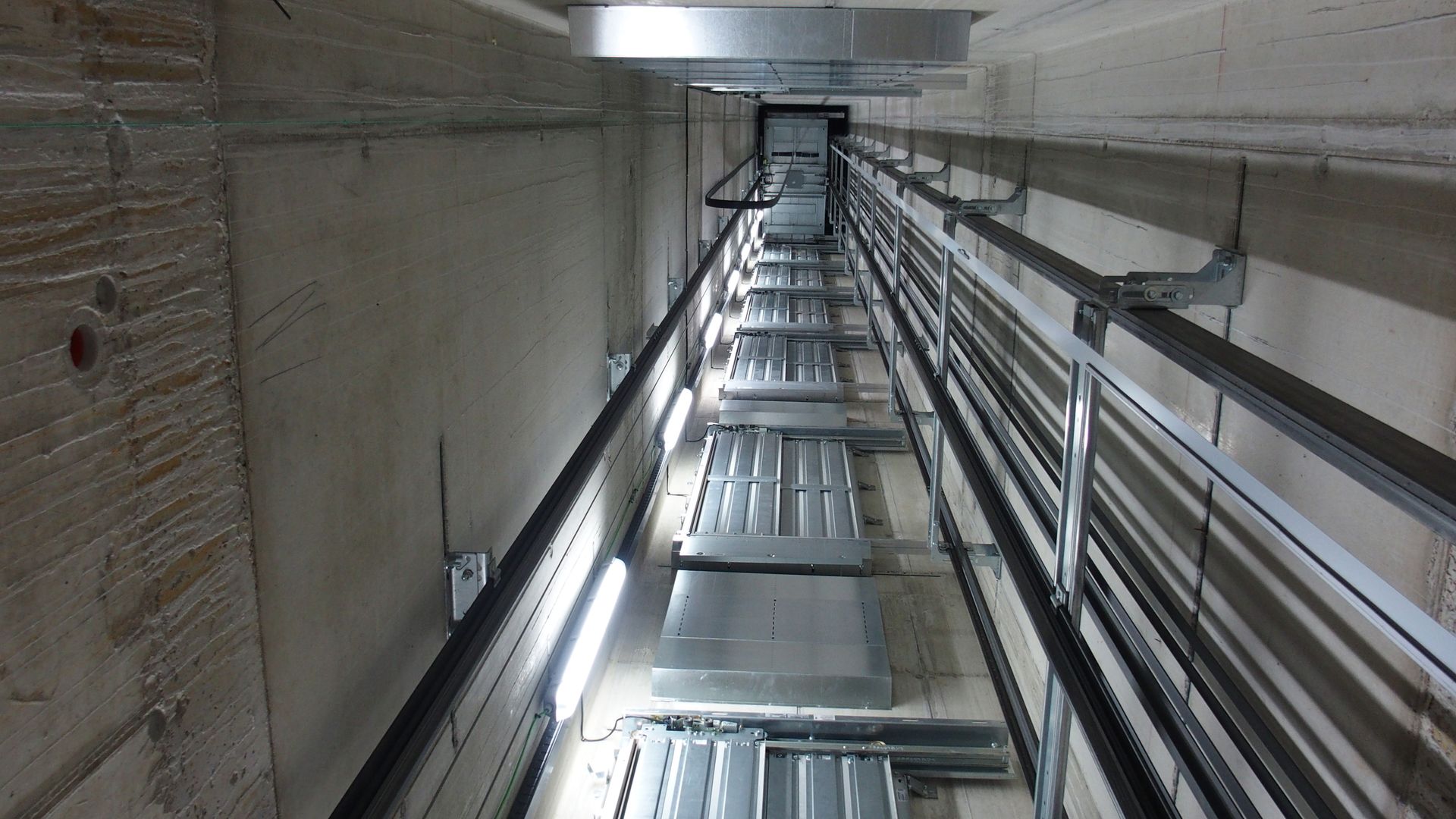
Proper lighting throughout elevator hoistways and adequate structural integrity of shaft walls determine whether buildings pass state elevator inspections without costly correction cycles. Failed pit lighting creates unsafe service conditions for technicians working below grade, damaged drywall exposes structural components to moisture infiltration, and deteriorated hoistway surfaces indicate deferred maintenance that inspectors flag for immediate correction. Elevator Pit Pros replaces lighting fixtures in elevator pits and hoistways, repairs drywall damaged by moisture or impact, and addresses structural maintenance needs in commercial and residential buildings where safe elevator operation depends on adequate infrastructure throughout Lee County.
Hoistway repairs involve more than cosmetic fixes—lighting must provide sufficient illumination for equipment inspection and emergency service work, drywall repairs require moisture-resistant materials that withstand the shaft environment, and all work must be completed without compromising fire-rated assemblies that contain potential hoistway fires. Access for repairs often requires scaffolding or suspended platforms since hoistway work occurs in vertical spaces ranging from two to ten stories depending on building height.
Schedule repair services to address lighting and structural issues before annual inspections identify deficiencies requiring urgent correction under compressed timelines.
What Changes After Hoistway Work Completes
Lighting repairs in elevator pits typically involve replacing failed fixtures with LED units rated for damp locations, since pits experience periodic water accumulation from groundwater seepage, condensation, or drainage issues. Hoistway lighting serves equipment positioned at each floor level and requires coordination with building electrical systems to verify proper circuit protection and switching. Drywall repairs focus on areas where moisture has caused deterioration, impact damage has occurred during equipment service, or fire-rated penetrations need proper sealing to maintain code-required shaft integrity.
After hoistway repairs are complete, service technicians can perform equipment maintenance under adequate illumination without relying on temporary work lights, shaft walls present continuous surfaces without gaps where moisture can penetrate to structural framing, and all fire-rated penetrations maintain proper sealing as required by building codes. Buildings with properly maintained hoistways also demonstrate responsive ownership during state inspections, which often influences inspector discretion on minor issues unrelated to the repair work.
Hoistway maintenance includes inspection preparation services such as window cleaning where exterior glass panels provide natural light to the shaft, and verification that all lighting circuits function properly before scheduled inspection dates. These services help buildings avoid common inspection violations that delay closure and require reinspection scheduling.
Questions Before Starting Your Project
Building owners and facility operators managing elevator systems often need clarification about hoistway access requirements and code compliance standards affecting repair work.
What pit lighting standards do Florida elevator inspections enforce?
Inspectors verify that pit lighting provides minimum illumination levels specified in ASME A17.1 elevator code, typically requiring fixtures that produce at least 10 foot-candles measured at the pit floor. Fixtures must be protected from physical damage and wired to switches accessible without entering the pit.
How does hoistway drywall damage develop in buildings that aren't particularly old?
Impact damage occurs during equipment modernization or component replacement when contractors move heavy machinery through shaft spaces. Moisture damage develops where exterior walls lack proper weather sealing or where HVAC condensation drips onto shaft walls. Coastal buildings in Cape Coral experience accelerated deterioration where salt air penetrates through ventilation openings.
What access methods are used for hoistway repairs in mid-rise buildings?
Most repairs use scaffolding erected from the elevator pit floor for work below the lowest landing, and swing stages or suspended platforms for work above the top landing. Some repairs are completed by technicians working from the elevator cab roof while the car is positioned at specific floors under controlled conditions.
When should hoistway windows be cleaned as part of inspection preparation?
Window cleaning is most effective within two weeks of scheduled inspections so that glass remains clear during the inspector's visit. Buildings with windows facing landscaped areas or water features may need cleaning more frequently due to irrigation spray or water spots that reduce light transmission into the shaft.
What fire rating requirements affect hoistway drywall repairs?
Elevator shafts require fire-rated assemblies, typically one or two hours depending on building height and construction type. All penetrations for lighting conduit, ventilation, or door frames must be sealed with fire-rated materials, and repairs must maintain the original rated assembly rather than introducing gaps that compromise fire containment.
Elevator Pit Pros coordinates hoistway repair work with elevator service providers and building operations to complete projects safely while maintaining elevator availability for building occupants. Arrange an inspection to identify current hoistway conditions and develop a repair plan that addresses both immediate deficiencies and longer-term maintenance needs throughout your Southwest Florida property.