Structures Built to Resist Coastal Corrosion
Elevator Pit Restoration & Coatings in Cape Coral for Buildings Dealing with Saltwater Exposure and Rust Damage
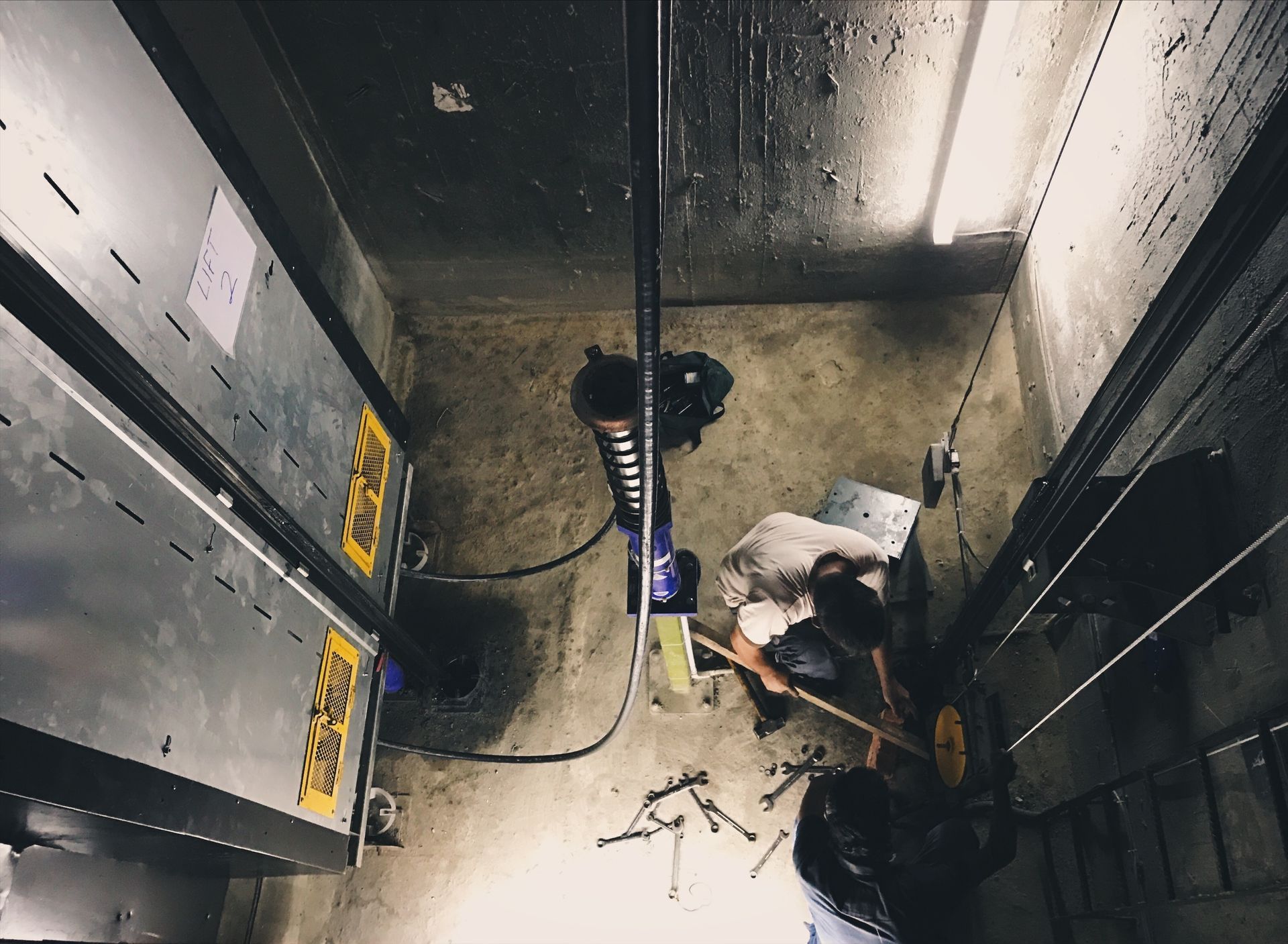
Elevator pit restoration in Cape Coral addresses the persistent challenge Florida coastal environments create for underground elevator structures. Saltwater intrusion, humidity cycles, and standing moisture accelerate steel corrosion and concrete degradation in elevator pits, creating both safety concerns and costly equipment exposure. Elevator Pit Pros removes existing rust, repairs damaged concrete sills, applies protective coating systems, and finishes surfaces to extend structural life and equipment reliability in commercial and residential buildings throughout Lee County.
The restoration process starts with identifying rust penetration depth, concrete spalling patterns, and moisture sources affecting the pit environment. Steel components are cleaned to bare metal where corrosion has occurred, damaged concrete is cut back and rebuilt with structural-grade repair materials, and multi-layer coating systems are applied to create moisture barriers that withstand Florida's high-humidity conditions and periodic flooding risks.
Request a restoration consultation to evaluate current pit conditions and establish a protection plan tailored to your building's exposure level.
What Proper Restoration Requires
Effective pit restoration depends on surface preparation quality before any coatings are applied. Rust must be mechanically removed rather than simply painted over, because corrosion continues under inadequate coatings and leads to premature coating failure. Concrete repairs require proper bonding agents and curing time to match surrounding substrate strength, and coating systems must be selected based on expected moisture exposure and chemical contact rather than appearance alone.
After restoration is complete, you'll notice improved lighting reflection from properly finished surfaces, elimination of rust staining that previously tracked onto equipment components, and restored structural integrity at concrete sills where elevator rails anchor. Buildings with restored pits also pass state inspections more reliably because corrosion-related deficiencies have been corrected at the source rather than deferred.
Restoration work includes coordination with elevator maintenance providers to schedule access without disrupting building operations, and protective measures to prevent coating overspray or dust migration into mechanical systems. The process typically requires equipment shutdown during coating application and initial curing, with timing planned around inspection schedules and building occupancy patterns to reduce operational impact.
Common Questions About Elevator Pit Services
Property managers and building owners working with coastal elevator systems frequently ask about restoration methods and long-term protection strategies for these below-grade environments.
What causes elevator pit corrosion to happen faster in Cape Coral than inland areas?
Coastal proximity increases airborne salt content and groundwater salinity, both of which accelerate steel oxidation and concrete deterioration. Pits located near seawalls or in buildings with tidal water table fluctuations experience the most aggressive corrosion patterns.
How does restoration extend equipment life beyond just improving appearance?
Protective coatings prevent rust particles from contaminating hydraulic fluid in cylinder-based systems and reduce corrosive dust that damages motor bearings and electronic components. Clean, sealed pit environments reduce maintenance frequency and component replacement costs over the equipment's service life.
What preparation work happens before coatings are applied?
All loose rust and failing concrete are removed, oil or hydraulic fluid contamination is cleaned with degreasers, and moisture content is tested to confirm surfaces are dry enough for coating adhesion. Surface profile is often created using mechanical abrasion to give coatings a proper bonding surface.
When should restoration be scheduled relative to state elevator inspections?
Restoration is most efficient when completed several months before annual inspections, allowing time to address any corrosion-related deficiencies inspectors commonly cite. Waiting until after a failed inspection often creates rushed timelines and higher costs due to reinspection fees and compliance pressure.
What differences exist between residential and commercial pit restoration projects?
Commercial pits typically have heavier equipment loads requiring more robust structural repairs, while residential buildings often have limited access requiring smaller equipment and longer project staging. Both environments require the same coating quality, but commercial projects usually involve more complex scheduling around tenant operations.
Elevator Pit Pros brings three decades of elevator industry experience to restoration projects throughout Southwest and East Coast Florida markets. Schedule a site assessment to determine the extent of corrosion damage and develop a protection strategy that addresses your building's specific exposure conditions and operational requirements.