Protecting Vertical Transportation During Water Emergencies
Emergency Elevator Pit Pumping in Cape Coral for rapid response during flooding and storm events
Florida's summer storm season brings intense rainfall that overwhelms building drainage systems within minutes, while hurricanes drive storm surge into coastal structures and saturate soil around foundations. When water enters elevator pits faster than sump pumps can remove it, hydraulic fluid becomes contaminated, electrical components short out, and elevator systems go offline until the flooding is addressed. Elevator Pit Pros responds to emergency calls throughout Cape Coral and Lee County with truck-mounted pumps and portable extraction equipment designed to remove large water volumes before elevator equipment sustains permanent damage.
Emergency pumping begins with assessment of water depth and contamination level, followed by deployment of submersible pumps rated for the volume present. High-capacity pumps remove standing water in stages to prevent hydraulic shock to building drainage systems, while technicians monitor for oil sheens that indicate hydraulic system compromise requiring additional containment protocols.
Contact our dispatch line immediately when water levels in your elevator pit begin rising to arrange emergency pumping before equipment damage occurs.
How Rapid Water Removal Prevents Equipment Damage
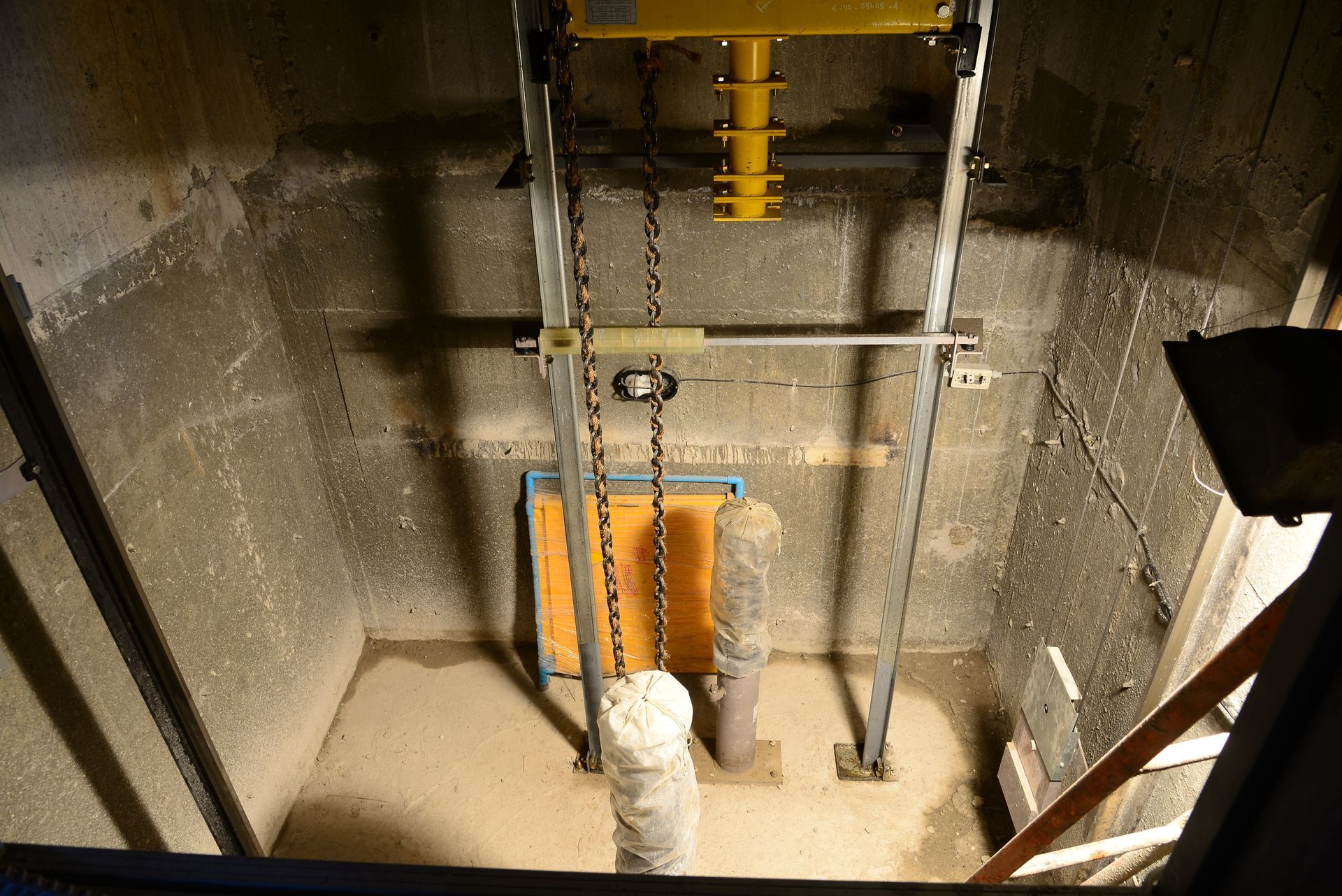
Emergency response involves arriving on-site with trailer-mounted pumps capable of moving hundreds of gallons per minute, submersible units for deep water extraction, and wet vacuums for final cleanup after bulk water removal. The priority is protecting cylinder assemblies, valve bodies, and electrical panels from prolonged submersion, which causes corrosion that manifests weeks after the flooding event ends.
Once pumping is complete, the pit floor is cleared of sediment and debris carried in by floodwater, and any oil contamination is addressed to prevent slip hazards and environmental concerns. You'll notice the elevator shaft is dry enough for equipment inspection, mechanical components are accessible without wading through standing water, and hydraulic systems can be tested to determine whether fluid replacement is necessary.
Speed matters during water emergencies because every hour of submersion increases the likelihood of electrical system damage and accelerates corrosion on exposed metal surfaces. Property managers for hotels, hospitals, and high-rise condominiums rely on emergency pumping to restore elevator service during peak occupancy periods when alternative stairwell access creates operational and accessibility challenges.
Common Questions During Emergency Situations
Water emergencies create immediate concerns about equipment protection and service restoration timelines. These answers address the decisions property managers face during flooding events.
What qualifies as an emergency pumping situation?
Water rising above the sump pump basin, flooding that exceeds the capacity of installed drainage systems, storm surge entering elevator shafts, or any water intrusion that submerges mechanical or electrical components requires immediate response.
How quickly can pumping equipment arrive?
Response times throughout Lee County typically range from one to three hours depending on storm conditions and road accessibility, with priority given to facilities where occupied floors depend on elevator service for emergency egress.
What happens after the water is removed?
The pit is inspected for debris and sediment, elevator equipment is evaluated for water damage, hydraulic fluid is checked for contamination, and electrical systems are tested before the elevator is returned to service—in many cases, fluid replacement and component drying are necessary before safe operation resumes.
Does emergency pumping address the source of flooding?
Initial service focuses on water removal and equipment protection, but Cape Coral properties often require follow-up waterproofing or drainage repairs to prevent recurrence during the next heavy rainfall event or tidal surge.
What damage occurs if water sits for extended periods?
Hydraulic cylinders develop surface rust within 24 hours of submersion, electrical contacts corrode and create intermittent faults, oil seals absorb water and lose effectiveness, and sediment settles into mechanical joints where it causes binding and premature wear.
Elevator Pit Pros maintains emergency response capability for property managers, homeowner associations, and commercial facilities from St. Petersburg to Marco Island and throughout Florida's East Coast markets. Request immediate assistance when water intrusion threatens elevator equipment or building operations.