Protection That Keeps Your Elevator System Functional
Residential Elevator Pit Sealing in Cape Coral for properties experiencing groundwater intrusion at the shaft base
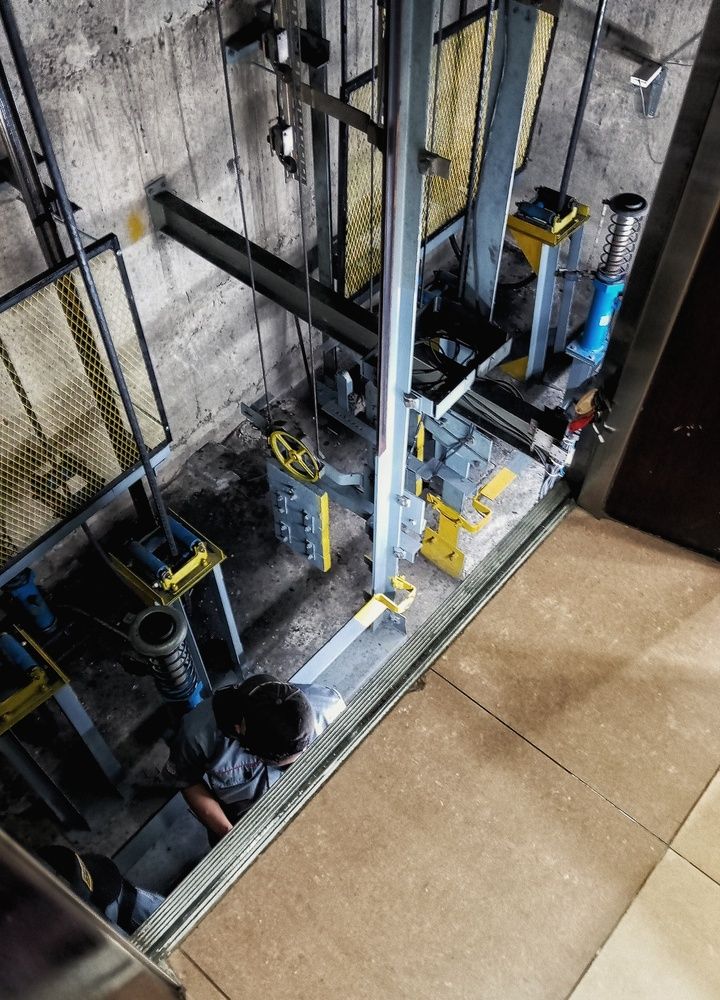
Elevator pit pros applies residential elevator pit sealing throughout Cape Coral to address groundwater and moisture that seeps into the lowest section of an elevator shaft. Homes with elevator systems face unique challenges when water intrusion reaches the pit area, where essential mechanical and electrical components operate constantly. The sealing process creates a continuous barrier along the pit floor and walls, blocking moisture before it contacts drive mechanisms, control panels, or wiring assemblies that keep your elevator operational.
Groundwater pressure in Cape Coral increases during summer months when rainfall saturates the soil surrounding foundation structures, pushing water through concrete joints and floor seams into confined spaces like elevator pits. Moisture accumulation damages motors, corrodes relay systems, and creates electrical faults that stop elevator function without warning. Sealing the pit interior prevents these failures by establishing a waterproof membrane that redirects groundwater away from critical equipment.
Schedule an on-site assessment to evaluate your current pit condition and determine the sealing approach needed for your specific shaft configuration.
What Proper Pit Sealing Requires
The sealing process begins with complete moisture mapping of the pit interior to identify active leak points, hydrostatic pressure zones, and concrete deterioration areas that allow water passage. Surface preparation removes existing coatings, efflorescence deposits, and loose concrete before the sealing membrane is applied, since the system only performs correctly when bonded to clean, structurally sound substrate. Application techniques vary depending on whether the pit shows active seepage during inspection or remains dry with evidence of past moisture events.
After sealing is complete, you notice the pit floor stays dry even during heavy rain periods, and no water stains appear on walls or around the base of the elevator car guide rails. Equipment housed in the pit operates without moisture-related faults, and service technicians no longer report corrosion on electrical terminals or standing water during routine maintenance visits. The sealed environment maintains stable humidity levels that extend the functional life of motors, controllers, and safety devices positioned below ground level.
Effective pit sealing includes inspection of the sump pump system if one is present, since some installations rely on drainage rather than complete waterproofing. The approach depends on your shaft depth, soil conditions around the pit perimeter, and whether the elevator manufacturer specifies humidity limits for enclosed mechanical spaces. Understanding these variables determines whether you need full encapsulation sealing or a hybrid system combining barriers with controlled drainage.
Questions Before Starting Your Project
Property owners in Cape Coral often ask specific questions about how pit sealing works and what changes to expect once the process is finished.
What happens if water is actively leaking when you arrive?
The sealing process requires stopping active water flow before applying the membrane, which may involve temporary dewatering with pumps or injecting crack sealants to halt pressurized seepage through foundation breaks.
How does sealing protect electrical components specifically?
Moisture causes oxidation on relay contacts and creates conductive paths across circuit boards, leading to intermittent faults or complete system shutdowns that sealing prevents by maintaining a dry environment around all wiring and control devices.
When should I schedule this service if I haven't seen water yet?
Sealing works best as a preventive measure before moisture damage occurs, particularly in Cape Coral where seasonal water table fluctuations can introduce groundwater into pits that previously remained dry during home construction.
What does the sealing material look like after application?
The finished surface typically appears as a uniform coating on walls and floors, either in a neutral color or clear finish depending on the product used, with smooth coverage that shows no gaps or thin spots where moisture could penetrate.
How long does the sealed barrier remain effective?
Properly applied pit sealing systems maintain waterproof integrity for decades when the surrounding concrete remains stable, though periodic inspections confirm the membrane hasn't developed breaches from settling or impact damage.
Elevator pit pros evaluates shaft conditions during initial consultation, identifying moisture sources and mechanical vulnerabilities that sealing will address. Request a detailed inspection to determine the specific sealing approach your residential elevator system requires based on current pit conditions and equipment layout.